
In home improvement projects, attention is often directed towards tools and equipment, while the components that ultimately determine strength, accuracy, and longevity receive far less consideration. Screws, bolts, washers, and packers may be modest in scale, but they play a decisive role in whether a DIY project performs as intended and stands the test of time.
A basic understanding of these fixings can significantly improve both the structural integrity and finish of work carried out in the home.

Screws: Precision Matters
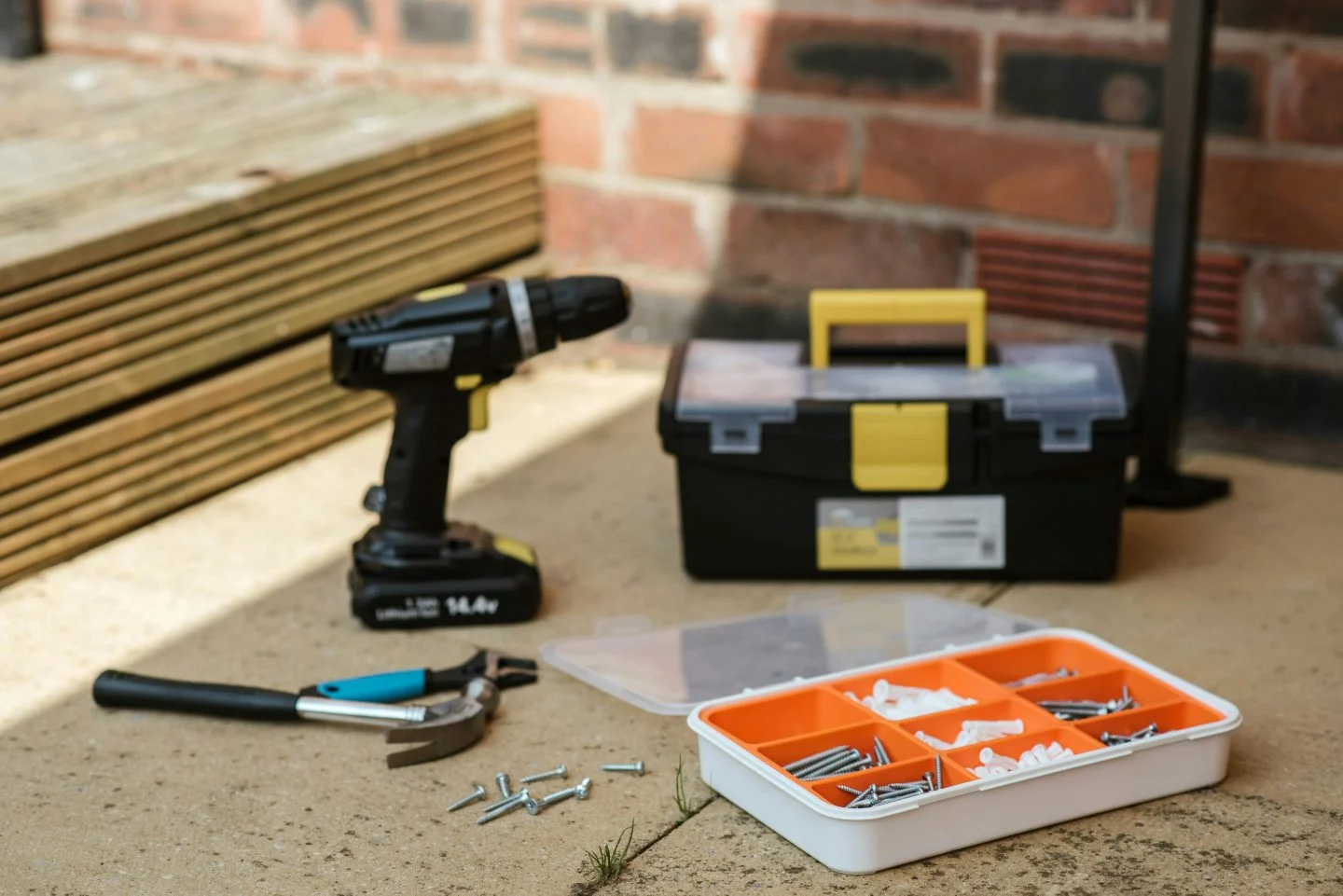
Screws are among the most frequently used fixings in domestic DIY, yet they are also the most commonly misused. Selecting an inappropriate length or type can lead to weakened fixings, damaged surfaces, or compromised safety, as mentioned by Fashionandstylepolice.com. Timber, masonry, and plasterboard each require different screw designs, and the head type determines whether a fitting sits flush and finishes cleanly.
Relying on generic, all-purpose screws often results in poor alignment or reduced holding strength, particularly in older UK homes where wall construction can vary from room to room.
Bolts: Reliable Structural Fixing
Bolts are typically used where additional strength and stability are required, such as in furniture frames, brackets, and load-bearing assemblies. Unlike screws, bolts work by clamping materials together using a nut and washer, providing a more consistent and reliable fixing under load.
Correct sizing is essential. An ill-fitting bolt can introduce movement, strain materials, or complicate assembly, particularly in applications where weight or repeated use is involved.
Washers: Protecting Materials and Performance
Washers serve a critical function by distributing load evenly and protecting surfaces from damage. They prevent bolt heads and nuts from cutting into timber or metal and help maintain tension over time.
In domestic settings, where fittings may be adjusted or subject to regular use, washers contribute to long-term stability and reduce premature wear on materials.
Packers and Shims: Achieving Accurate Alignment
Few walls or floors in residential properties are perfectly level. Packers and shims are used to compensate for these irregularities, allowing shelves, cabinets, and wall-mounted fixtures to be installed accurately.
By relieving stress on fixings and ensuring even load distribution, packers help prevent movement, distortion, and loosening over time. Plastic packers are particularly effective, as they retain their shape and thickness long after installation.
Why Specification and Range Matter
Every property presents its own set of challenges, from uneven masonry to mixed construction methods. For this reason, experienced tradespeople rarely rely on a single type or size of fixing. Trade suppliers such as Speedy Fixings stock fixings in a wide range of sizes and specifications, recognising that precision and suitability are essential to achieving reliable results.
For homeowners, adopting a similar approach – selecting fixings based on material, load, and alignment requirements – leads to more robust, professional outcomes.
Ultimately, successful home DIY is defined not only by the tools used, but by the quality and suitability of the fixings that hold everything in place.